





Climate Change Committee

The Climate Change Committee (CCC), was originally called the Committee on Climate Change. It was formed as an independent non-departmental public body, under the Climate Change Act of 2008, with the role of advising governments of the UK on climate change, including setting carbon budgets and reporting yearly on progess in reducing GHG emissions.
The Committee was formally launched as a statutory committee in December 2008 with Lord Turner as its chair, with an Adaptation Sub-Committee set up in 2009 to provide advice to Government about adaptation and preparing for climate change impacts.
The Committee has produced one or two significant reports each year since being established, referred to as the climate change committee progress reports, with recommendationsincluding the creation of a legally binding commitment to cut emissions of greenhouse gasses by at least 34% by 2020 and by 80% by 2050 compared with 1990 levels.
In 2019 these targets were then amended via the 2050 Target Amendment Order 2019 which increased the UK's commitment to a more ambitious target of 100% reduction in emissions by 2050, as such requiring 78% reduction by 2035. The Act also requires the Government to publish carbon budgets setting five-yearly caps on greenhouse gas emissions. Key documents are the yearly progress reports, including the sixth carbon budget and a net zero agenda in line with this.
The first biennial joint progress report from the Committee on Climate Change and the Adaptation Sub-Committee was presented to the UK Parliament on 30 June 2015. The joint progress reports include an assessment of the UK Government's National Adaptation Programme by the Adaptation Sub-Committee, with the most recent being published and presented before parliament in 2023.
The committee also publishes other advice on climate change science, economics and policy, including the Carbon Reduction Commitment, Low-carbon innovation, Aviation, Adaptation and Scottish climate change targets.
[edit] Related articles on Designing Buildings
- Achieving zero carbon.
- Carbon emissions.
- Carbon plan.
- CIAT responds to Climate Change Committee 2026 Progress Report.
- Climate.
- Climate change science.
- Climate Change Levy.
- COP21 Paris 2015.
- CRC Energy Efficiency Scheme.
- Energy Act.
- Emission rates.
- Energy related products regulations.
- Energy targets.
- Government net zero review 2022.
- Greenhouse gases.
- Kyoto protocol.
- LETI calls for responses to BEIS net zero review.
- Net zero carbon 2050.
- Net Zero Review underlines role for engineering services.
- Net zero strategy: build back greener.
- Sustainability.
- The Edge policy proposals for the built and natural environment 2022.
- The Low Carbon Transition Plan: National strategy for climate and energy.
- The sustainability of construction works.
- UK Climate Change Risk Assessment.
External references
Featured articles
Check out some of the best features and news from Designing Buildings as well as key stories from around the web.
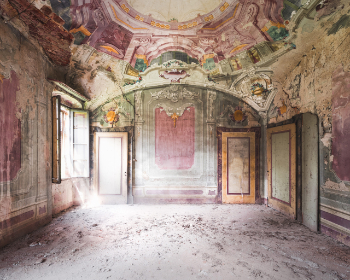
CIOB photography competition is open for entries.
ECA Edmundson apprentice of the year award

Finalists announced.
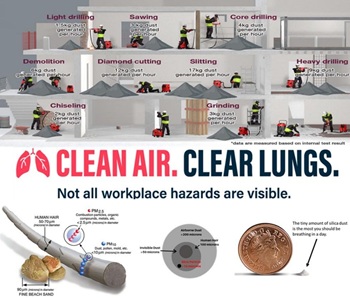
Major new study exposes serious knowledge gaps.

Generating energy from internal light as well as sunshine.

ECA welcomes plans to strengthen subcontractor quality control.

Combining mid-career qualifications with experience broadens career opportunities.

Why being a mentor can help your career.

Channel 4 broadcaster to host 125th anniversary ceremony.
Listed structures on the rail network
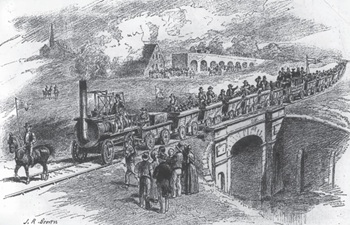
Heritage interests and operational requirements must be balanced.
Historic England publishes research into embodied carbon when retrofitting traditional buildings.

New Prime Minister delivers on ECA call for cut in electricity costs.

CIOB reacts to the announcement of Andy Burnham as Prime Minister.